Dyslipidaemia (AKA unhealthy fat (lipid) levels in the blood) is an increasingly common health issue in Australia and is a significant risk factor for cardiovascular conditions including heart attacks and strokes. Dyslipidaemia is often oversimplified as being “high cholesterol”, which has led to the word “cholesterol” becoming synonymous with bad health. However, much of this demonising of cholesterol is due to a misunderstanding of cholesterol’s role in health and the mechanisms of cholesterol dysregulation and unhealthy lipid levels. So, what’s really going on when we talk about cholesterol, triglycerides, and dyslipidaemia, and how do we approach it naturopathically? This handout has been put together to help give you the knowledge and resources needed to improve your body’s fat levels and help improve your overall health.
Dyslipidaemia, Cholesterol and Triglycerides
Dyslipidaemia is the term used to describe unhealthy fat (lipid) levels in the blood. Whilst often this condition is oversimplified to being just “high cholesterol”, there are actually two types of fats this involves – cholesterol and triglycerides.
What is Cholesterol and how does it affect my health?
Cholesterol is a type of fat that is vitally important for health. Most of our cholesterol is made by our bodies, primarily in the liver but also in cells throughout the body. Cholesterol is the precursor for vitamin D and for hormones such as oestrogen, testosterone, and cortisol. It is also needed for healthy cell walls and helps the body to digest and absorb important nutrients such as fat-soluble vitamins A, D, E, and K. Cholesterol is also an important molecule used in the healing process. The liver will produce extra cholesterol to be sent to sites requiring healing, and we will naturally have higher cholesterol levels when we are sick, after surgery, or even during periods of high stress.
So, if cholesterol does so much good in the body, why does it have such a bad rap? The answer lies in the misnomer that is “good” vs. “bad” cholesterol. This type of oversimplified language has led many people to believe that it is cholesterol itself that causes health problems, but this is not the case. It is actually the transporter molecules that the body makes to move cholesterol around the body which can cause health issues.
Because the physical structure of cholesterol means it does not circulate in blood easily on its own, the body creates small carrier molecules called “lipoproteins”, which transport cholesterol around the body to be used by cells. There are 5 types of these transporters, but the main two are HDL and LDL.
HDL (high density lipoproteins): the “good” cholesterol transporter. This transporter carries cholesterol away from cells and back to the liver, where it can be metabolised and excreted. HDLs also “mop up” damaged LDLs. Higher levels of HDL are generally good.
LDL (low density lipoproteins): the “bad” cholesterol transporter. This transporter carries cholesterol from the liver out to the cells throughout the body to be used.
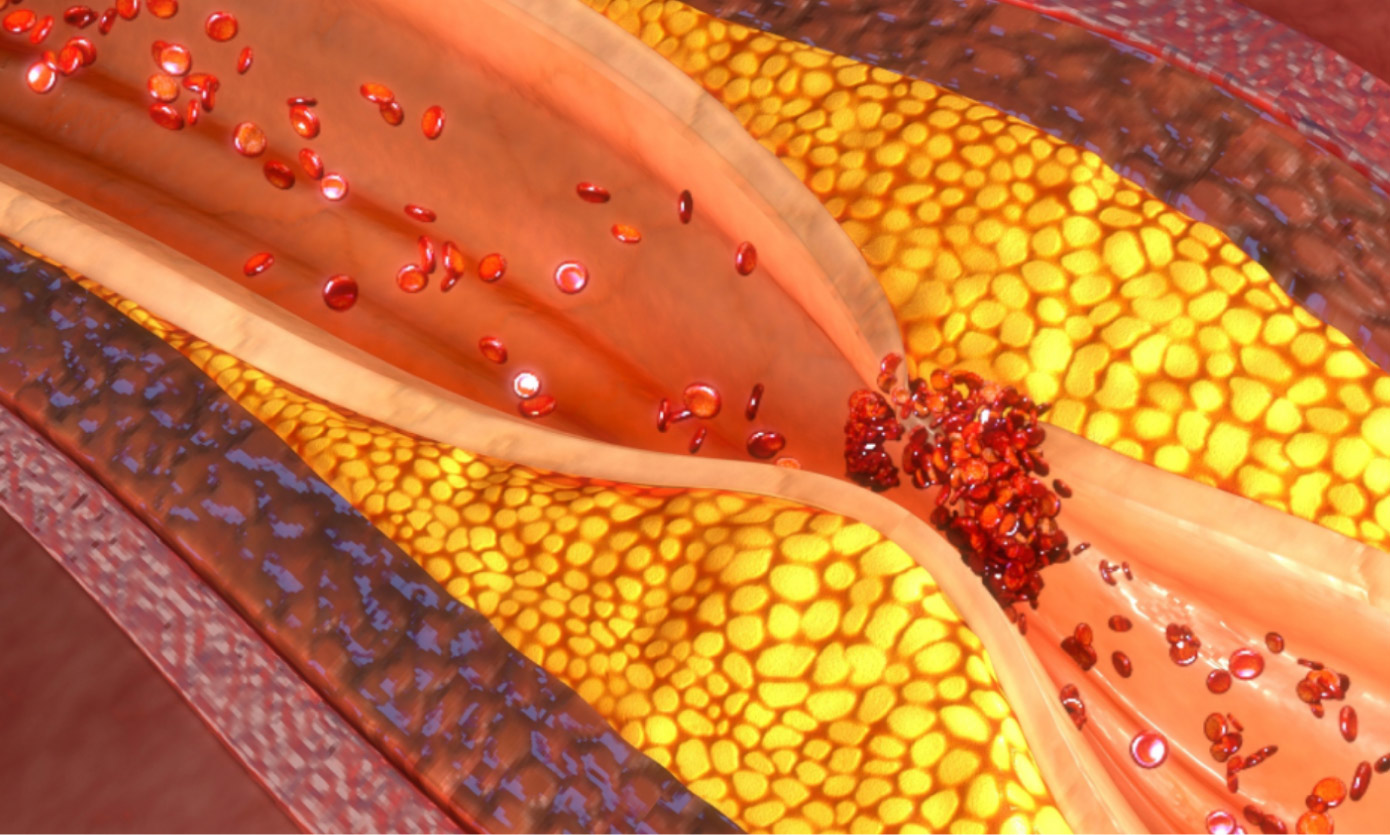
LDLs are much more easily damaged by oxidative stress. Too many LDLs, particularly when exposed to inflammation or low antioxidant levels, can lead to LDLs becoming damaged via oxidation. It is these oxidised LDLs which cause tissue damage and health issues. The oxidised LDLs are “sticky” and can attach to artery walls, leading to narrowing of arteries. So, when we discuss “high cholesterol”, what we are really saying is that a person has an imbalance in their cholesterol transporters – low levels of HDL and high levels of LDL.
Causes of High Cholesterol
Naturopathy always looks to address the underlying causes and drivers of illness, so it’s important to understand what may be causing your cholesterol issues. Causes of high cholesterol include:
Inflammation: This is a common one and in fact, high cholesterol levels may be the body’s way of telling us that there is inflammation happening that needs to be addressed. Inflammation leads to higher levels of LDL and lower levels of HDL, meaning more cholesterol is transported to the tissues and less is transported back to the liver for metabolising and excretion. The excess LDLs then become damaged, leading to even more inflammation. Oxidative stress: this can be caused by low antioxidant intake, inflammation, trans fats, excess saturated fats and sugar, smoking, and insulin resistance.
Diet: dietary intake of cholesterol through animal products (meat, dairy and eggs), has only a minimal effect on our cholesterol levels (remember that much of the cholesterol in the body is made by the liver). Instead, it is low vegetable and fruit intake, and high intake of inflammatory foods such as sugar, trans fats, and saturated fats, which can contribute to high LDL cholesterol levels. Stress: chronic stress is bad for our health in so many ways. Stressed people and people with type A personalities can be especially susceptible to high LDL cholesterol and even heart disease. Stress drives up our cortisol levels which worsens insulin function and signals to our body to store extra body fat, further worsening cholesterol levels. The body also sees lack of sleep as stress.
Insulin resistance and high blood sugars: high blood sugar causes many biochemical changes in the body and can lead to abnormal cholesterol levels – low HDL and high LDL levels. Sugar compounds can also exacerbate cholesterol issues by attaching to LDL molecules and making them more likely to cling onto artery walls.
Hypothyroid: thyroid hormones are needed in order to both make cholesterol and remove it from the body. If your thyroid is not working optimally, it can greatly affect your cholesterol levels.
What are Triglycerides and How Do They Affect my Health?
Triglycerides are a common type of fat made up of chains of fat linked by glycerol (a type of sugar-alcohol) and are the most common form of body fat. Triglycerides are found in foods and are also formed in the liver as a way for our bodies to store unused calories. Glucose and fats are bonded together to form triglycerides, which make a convenient package of the two energy sources ready to be stored for future use. These triglycerides are then stored in fat cells throughout the body and can be released by the body during periods when calorie intake doesn’t meet the body’s requirements.
As with cholesterol, triglycerides cannot travel freely through the bloodstream – they require a transporter to move them from the liver to other body cells. There are two main transporters that carry triglycerides:
Chylomicrons: These are very large transporters. They are the largest type of lipoprotein and typically carry triglycerides, phospholipids, proteins, as well as some cholesterol from the intestines throughout the body.
VLDL lipoproteins: These are a very small transporter, similar in structure to HDL and LDL, which carry triglycerides primarily from the liver to the body tissues. As with LDL, they can be considered a “bad” type of cholesterol/ transporter, or a sign that your lipid levels are in the unhealthy range. Unlike with HDL and LDL, there is no way to directly measure your VLDL levels – triglyceride levels are measured instead.
When we say, “high triglycerides”, what is really meant is that the levels of triglycerides in your blood are high (as opposed to how many triglycerides are being stored in fat cells). It is these “free”, un-stored triglycerides in the bloodstream that can cause issues for cardiovascular health. Triglycerides, particularly within VLDL, can attach to artery walls to cause blockages, contributing to atherosclerosis and increased risk of stroke, cardiovascular disease and heart attack.
Causes of High Triglycerides
- Eating excess calories: Eating more calories than your body requires means your body will produce more triglycerides, as the body needs to store the excess calories for future use. Consuming calorie dense foods like refined carbohydrates, sugars, and foods high in saturated fats are especially easy for the body to use to form triglycerides. High GI carbohydrates also release more glucose into the blood which hinders the absorption of triglycerides out of the bloodstream.
- Hypothyroid: The thyroid regulates much of our metabolism, including the production of
- triglycerides for calorie storage and their release for use as energy. Low thyroid function means slower metabolic processes and a higher retention of triglycerides in the body.
- Alcohol: When alcohol is metabolised in the liver, it is converted into fat, which can then be used to form triglycerides.
- High blood sugar: prediabetes and diabetes can lead to high triglycerides levels, as high levels of glucose in the blood makes it more difficult for the body to absorb fat from the bloodstream and prompts the liver to produce more triglycerides.
- Prescription drugs: certain medications, including the oral contraceptive pill, beta blockers, hormone replacement therapy, steroids, and even some diuretics can cause high triglyceride levels.
Naturopathic Treatment
In your consultation, Tanya works closely with you to understand the main drivers for your cholesterol imbalance, what dietary and lifestyle changes would be beneficial and prescribe herbs or supplements once she has an understanding of your unique health situation. Please contact me for a complimentary fact finding call or book an initial naturopathic consultation here.